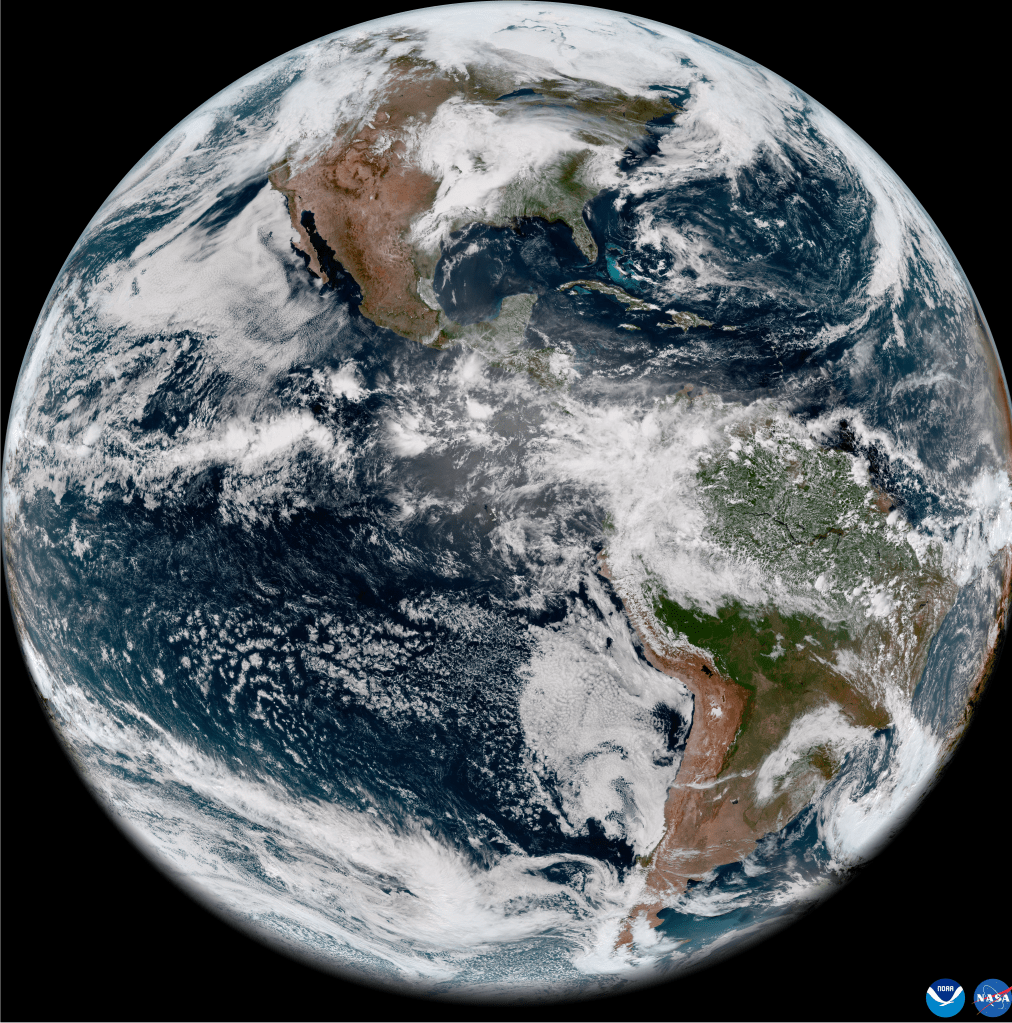
Part of my Planetary Series, eight Belgian Ales each inspired by a planet in our Solar System in increasingly tenuous ways…
We’re smack in the middle of the dog days of summer now, and in my household that usually means at least weekly barbecues. I’m not sure any combination of food and drink ever conceived pairs better than charred meats and beer. Some beer drinkers opt for low abv, pale, perhaps even tart beers for summer evenings, but not me. Session IPA, shandy, gose, un-flavored lagers, and now even alcoholic carbonated water all have their place, but with BBQ I often crave something equal but opposite in boldness of flavor.
It also helps if the beverage in question has higher carbonation than your average “summer beer”, to help rinse the palette of fat and rich sweet and/or spicy sauces. That higher carbonation will also help drive aromatics out of the beer and into your nose to compete with the divine neighborhood filling smells that radiate from a charcoal grill. This beer should also be dry, not syrupy sweet or a meal in and of itself – it should feel thirst quenching in the summer heat. And finally the beer should be interesting and delicious on it’s own – something that awakens your senses before food, contrasts food flavors during a meal, and leaves one wanting another glass as the afternoon or evening draws to a close.
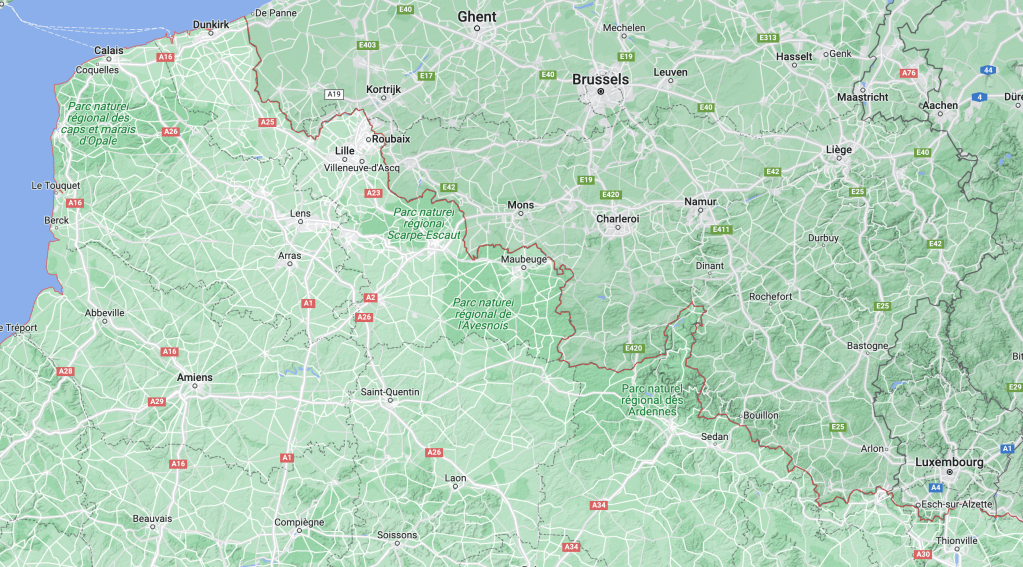
Enter Bière de Garde and Saison – two beer styles with a lot of overlapping characteristics. The nerds will tell you the former is French and the later is Belgian, but it’s important to remember that the brewhouse recipes of beers still made along the France/Belgium border today often predate the border itself. Broadly, Saison tends to be paler and more spicy/herbal and punchy, while Bière de Garde tends to be darker, more toasty and dark fruity and smoother. The smoother distinction is unique to Bière de Garde – this style undergoes a few months long period of lagering, or cold storage before bottling. Having said that, it’s very easy to get confused, to see a bottle that says both “Saison” and “Bière de Garde” on the label even, but it’s a difference without distinction usually. Call it whatever the brewer or brewery calls it, and leave the arguing about classification to the wannabe cladists.
The best examples of both beers are bottle conditioned. Meaning, during bottling, a tiny bit of additional sugar is added to the beer, and then the beer is bottled and capped or corked. The tiny bit of yeast that remains suspended in the beer following primary fermentation then eats up the tiny bit of sugar and makes CO2 which carbonates the beer in the bottle. This of course is a more complicated way to carbonate beer than simply kegging it and forcing CO2 into the beer with pressurized CO2 from a cylinder. Bottle conditioning can go wrong a couple of ways, from not carbonating enough resulting in flat beer, to carbonating too much and producing beers that gush like a gyser when opened. Bottle conditioning also takes more time than kegging/force carbonating, about 3 weeks usually to reach full carbonation. Brewers have to calculate how much yeast is left in suspension, how much sugar should be added to the beer down to the tenth of an ounce, and even take into account approximately how much CO2 is already in the beer as the result of primary fermentation. Those potential pitfalls successfully avoided result in a carbonation profile that many people, yours included, say is superior to forced carbonation. For some reason the bubbles tend to be smaller, the beers tend to hold carbonation longer in the glass, and yeasty character that remains in the beer tends to give the impression of a living and still changing beverage.
These beers also sometimes have a “farmhouse” quality to them. What that means is very subjective and ranges from being yeasty and expressive to being a little funky and unusual. These two styles together are really a very deep genre of beer and sometimes even year to year no two beers are the same. To me the farmhouse nature of these kinds of beers is less about being yeasty or funky and more about geography and demographics – where and whom. Where: sleepy rural countrysides, rolling hills – places where agriculture is the dominant economic activity. Whom: farmers. Of course now the beer world is dominated by commercial breweries and even mega-corporations and even in Belgium and France it’s probably difficult to find farmer made bottles of beer for sale at the farmers market or something, but that’s how these recipes got their start anyway. And because of that, the genre has a lot of variety and each example has little idiosyncrasies that are the result of differences in ingredients, methods, and equipment.
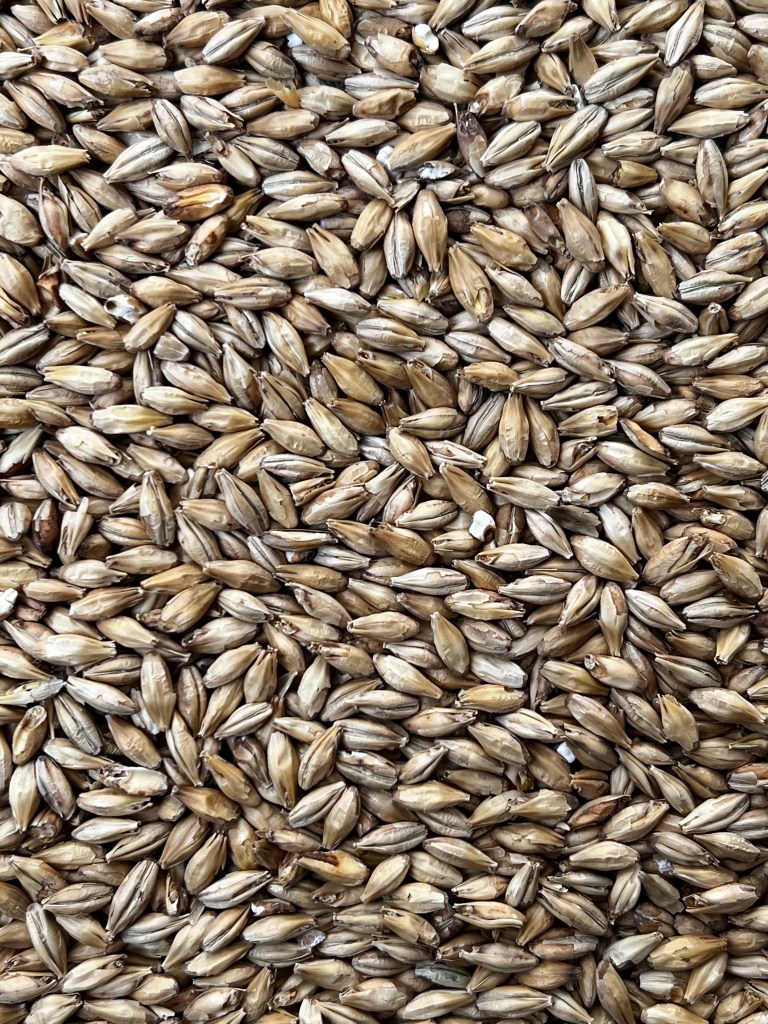
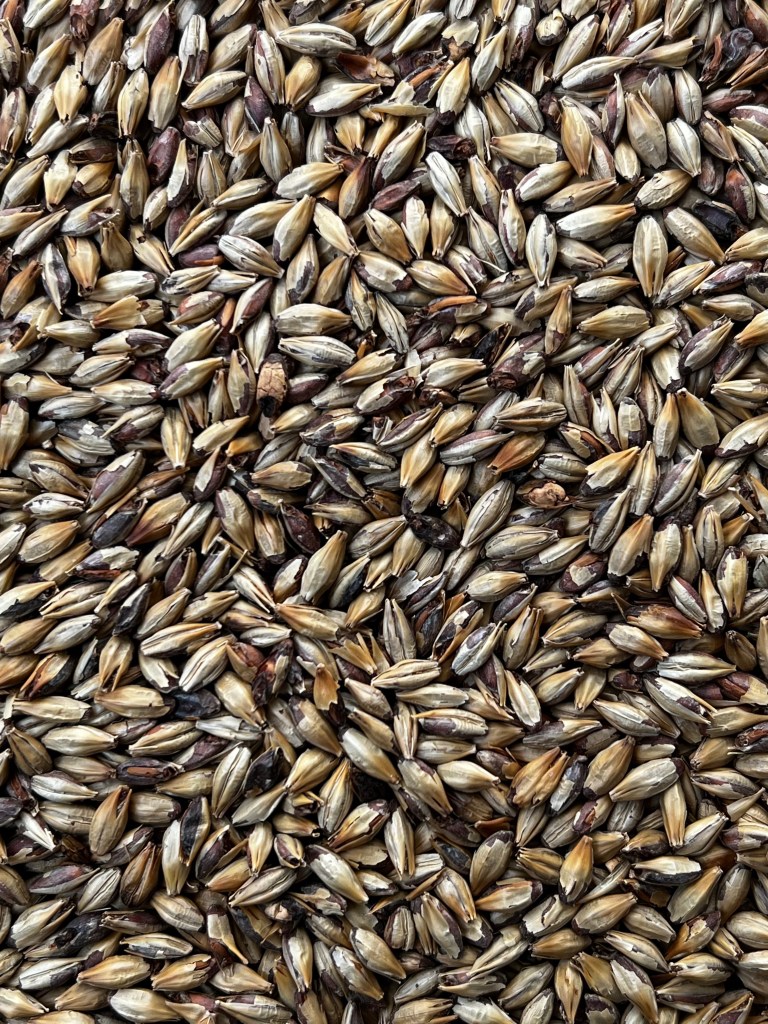
To help make this specific beer idiosyncratic I decided to toast some of the base malt myself in my oven. Of course a homebrewer today has access to literally hundreds of different malts and dozens of different toasted malts, but toasting some myself makes the recipe more mine and I hope adds a little farmhouse character. I’m not a farmer and I certainly don’t live anywhere near a farmhouse but I think home toasting of malt is a fun and easy way to add some extra personal touches and I’ll be doing this again in the future for sure.
I did cork and cage these bottles but I shoved the corks way too far into the bottle so a wine corkscrew is required to remove them. A minor annoying step, and in the future I’ll make sure I set the depth on my corking machine more carefully. If you happen to get a bottle of this and find it too cumbersome to open, permission granted to get your free delicious beer from somewhere else.
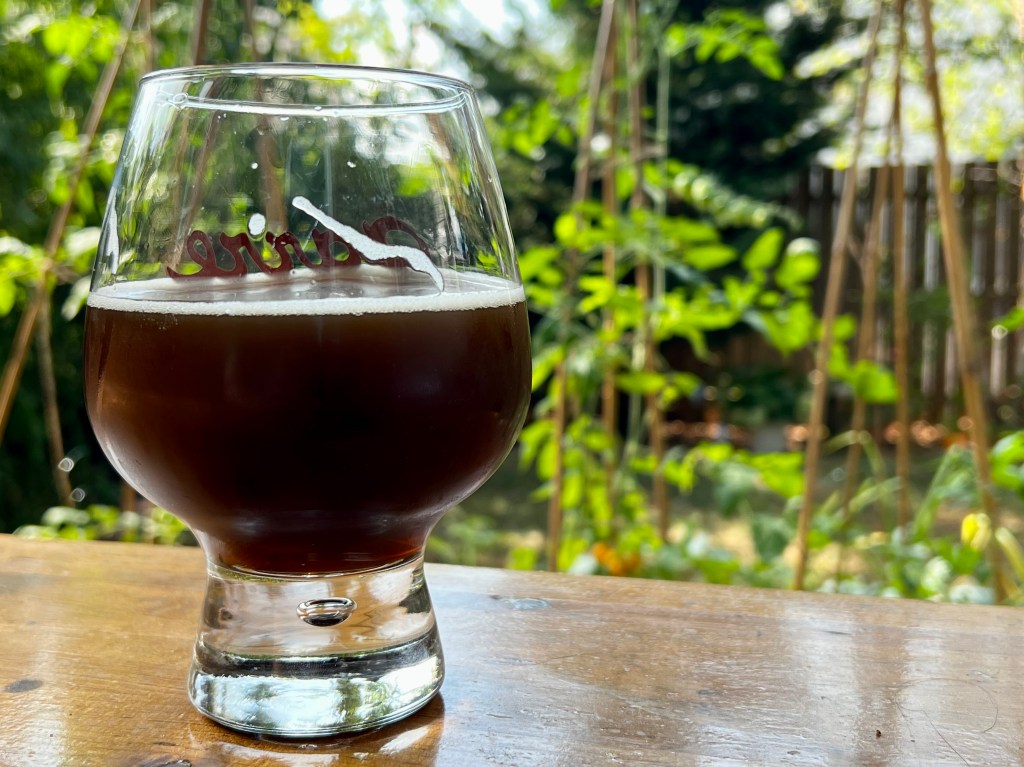
Gaia Bière de Garde pours a semi-opaque hazy brown once the cork has been surgically removed. Carbonation is elevated but not at the top end of the acceptable spectrum, and the resulting off-white head is subdued following the initial pour. Aroma is moderate bread crusts and slight herbal note, some clove in there as well. On the palette, rich biscuity malt flavors cascade into some darker fruits and the finish is nice and dry with lingering malt flavor- no real hop flavor to speak of. It’s the beer equivalent of a rustic crusty loaf – and like a great rustic bread, it’s best when sandwiched with some char grilled summer foods. Serve in a tulip glass or goblet. This one will be served at Octoberfest for those that attend this year, otherwise getting your hands on a bottle might be tough, as I find myself struggling to part with them – is that burning charcoal I smell…

 Klaserhausen